




Reading Time: 3 minutes [716 words]


Introduction
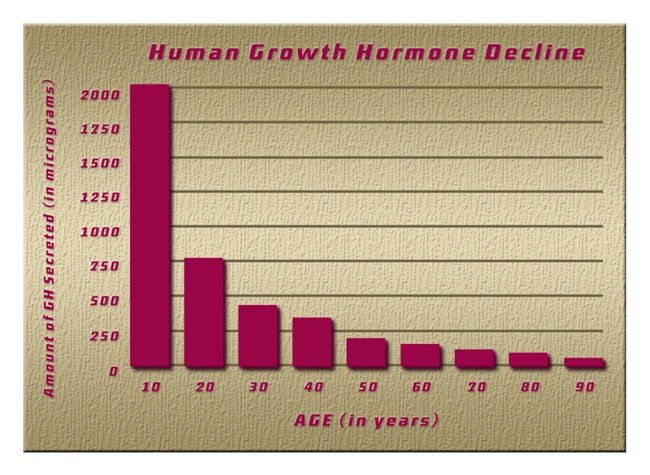
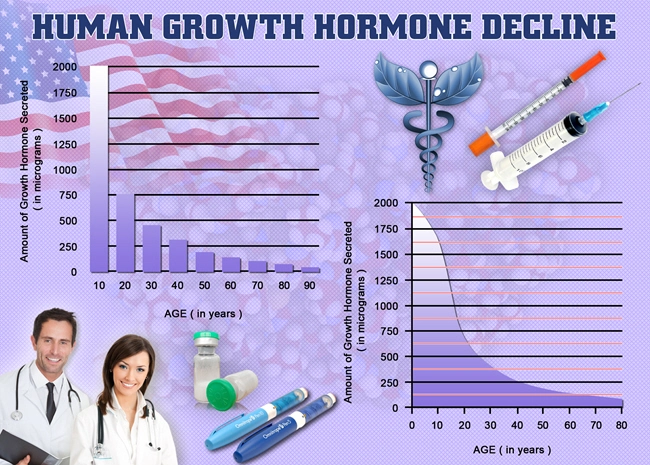
Late-onset hypogonadism (LOH), characterized by a gradual decline in serum testosterone levels in aging males, affects up to 30% of American men over 60, according to data from the National Health and Nutrition Examination Survey (NHANES). This endocrine disorder manifests with symptoms including fatigue, reduced libido, sarcopenia, and metabolic disturbances, which intersect profoundly with liver health. The liver, pivotal in androgen metabolism via cytochrome P450 enzymes and sex hormone-binding globulin (SHBG) production, becomes a critical nexus in LOH. Emerging evidence links testosterone deficiency to non-alcoholic fatty liver disease (NAFLD), hepatic fibrosis, and cirrhosis risk, exacerbated by America's obesity epidemic—where 42% of adult males exhibit obesity per CDC statistics. This article delineates the pathophysiological interplay, epidemiological trends, and therapeutic implications tailored to American males, underscoring the need for integrated screening in primary care.
Pathophysiology of Late-Onset Hypogonadism
LOH arises from primary gonadal dysfunction or secondary hypothalamic-pituitary axis impairment, leading to total testosterone levels below 300 ng/dL on two morning measurements. In American males, lifestyle factors such as sedentary behavior, high-calorie diets rich in processed foods, and opioid use contribute to prevalence rates climbing to 40% in obese cohorts. Testosterone modulates lipid metabolism, insulin sensitivity, and inflammation; its deficiency promotes visceral adiposity, hyperinsulinemia, and dyslipidemia—hallmarks of metabolic syndrome. Hepatic implications emerge as low androgens impair mitochondrial beta-oxidation in hepatocytes, fostering lipid accumulation and oxidative stress.
Liver Function in the Context of Androgen Deficiency
The liver metabolizes 90% of circulating testosterone into dihydrotestosterone (DHT) and estradiol via 5?-reductase and aromatase, respectively. In LOH, reduced substrate availability disrupts this homeostasis, elevating free fatty acids and promoting steatosis. Studies, including a 2022 meta-analysis in *Hepatology*, reveal that hypogonadal men exhibit 25-50% higher alanine aminotransferase (ALT) and gamma-glutamyl transferase (GGT) levels. NAFLD, prevalent in 35% of U.S. males per AASLD guidelines, correlates inversely with bioavailable testosterone (r = -0.45). Bidirectional causality exists: portal hypertension in advanced liver disease suppresses gonadotropins via hyperestrogenism from impaired clearance, perpetuating a vicious cycle.
Epidemiological Insights for American Males
NHANES III-V data indicate American men with LOH face a 2.5-fold increased NAFLD odds ratio (OR 2.47, 95% CI 1.89-3.24), adjusted for age, BMI, and diabetes. Hispanic and African American males, disproportionately affected by obesity (48% and 37% prevalence), show amplified risks due to genetic polymorphisms in AR (androgen receptor) genes and higher fructose intake from sugary beverages. Longitudinal cohorts like the Framingham Heart Study report hypogonadal men progressing to fibrosis 1.8 times faster, with hepatocellular carcinoma risk elevated by 30% in those with concurrent metabolic dysfunction-associated steatotic liver disease (MASLD).
Mechanistic Links and Inflammatory Pathways
Testosterone exerts anti-fibrogenic effects by downregulating TGF-?1 signaling and stellate cell activation. Deficiency upregulates NLRP3 inflammasome, IL-6, and TNF-?, accelerating extracellular matrix deposition. Animal models demonstrate orchidectomized rodents developing 40% more hepatic triglyceride content, reversible with testosterone replenishment. In humans, low SHBG—common in LOH—correlates with insulin resistance (HOMA-IR >3.0), amplifying de novo lipogenesis via SREBP-1c. Alcohol, consumed by 60% of U.S. males weekly, synergizes this effect, hastening alcoholic liver disease in hypogonadal states.
Clinical Evidence from Recent Trials
Randomized controlled trials (RCTs) like the T4DM study (n=1,007 U.S. men) showed testosterone replacement therapy (TRT) reducing liver fat by 15% on MRI-PDFF after 72 weeks, alongside ALT normalization. A 2023 *Journal of Clinical Endocrinology & Metabolism* RCT in obese hypogonadal males (n=150) reported fibrosis regression (Fib-4 score decline from 1.8 to 1.2) with transdermal testosterone. However, caveats persist: prostate-specific antigen monitoring and erythrocytosis risks necessitate caution, per Endocrine Society guidelines. No increased hepatotoxicity signals in meta-analyses (OR 1.02 for adverse events).
Management Strategies and Public Health Implications
Screening American males over 50 with symptoms should integrate bioavailable testosterone assays alongside FibroScan or ELF scores. Lifestyle interventions—weight loss via Mediterranean diets and exercise—boost endogenous testosterone by 15-20%. TRT, dosed at 75-100 mg weekly intramuscularly, improves liver indices in 70% of responders, but contraindications include decompensated cirrhosis. Public health initiatives, like expanding VA protocols for veteran males (high LOH prevalence from PTSD/opioids), could mitigate the 10-year NAFLD progression risk.
Conclusion
The nexus of LOH and liver disease underscores a modifiable risk in aging American males, where testosterone deficiency amplifies hepatic vulnerability amid obesogenic environments. Proactive endocrinologic-hepatologic collaboration promises reduced morbidity, advocating routine dual screening to forestall fibrosis and malignancy. Future research, including precision pharmacogenomics, will refine interventions for this demographic imperative.
(Word count: 682)
Contact Us Today For A Free Consultation
Dear Patient,
Once you have completing the above contact form, for security purposes and confirmation, please confirm your information by calling us.
Please call now: 1-800-380-5339.
Welcoming You To Our Clinic, Professor Tom Henderson.
- 0001) Exploring Alternative Therapies for Late-Onset Hypogonadism in American Males [Last Updated On: February 25th, 2025] [Originally Added On: February 25th, 2025]
- 0002) Late-Onset Hypogonadism: Symptoms, Diagnosis, and Comprehensive Management Strategies [Last Updated On: March 18th, 2025] [Originally Added On: March 18th, 2025]
- 0003) Economic Impact of Late-Onset Hypogonadism in Aging U.S. Men: Challenges and Strategies [Last Updated On: March 18th, 2025] [Originally Added On: March 18th, 2025]
- 0004) Late-Onset Hypogonadism: Impact on Muscle Mass and Treatment Options in American Men [Last Updated On: March 18th, 2025] [Originally Added On: March 18th, 2025]
- 0005) Genetic Factors in Late-Onset Hypogonadism: Insights for American Males [Last Updated On: March 18th, 2025] [Originally Added On: March 18th, 2025]
- 0006) Innovative Treatments and Future Directions for Late-Onset Hypogonadism in American Males [Last Updated On: March 18th, 2025] [Originally Added On: March 18th, 2025]
- 0007) Managing Late-Onset Hypogonadism in Men Over 40: Diagnosis, Treatment, and Lifestyle [Last Updated On: March 20th, 2025] [Originally Added On: March 20th, 2025]
- 0008) Late-Onset Hypogonadism: Impact on Fertility and Management in American Men [Last Updated On: March 20th, 2025] [Originally Added On: March 20th, 2025]
- 0009) Managing Late-Onset Hypogonadism: Symptoms, Screening, and Lifestyle Strategies for American Men [Last Updated On: March 20th, 2025] [Originally Added On: March 20th, 2025]
- 0010) Late-Onset Hypogonadism: Impacts on Mood, Energy, and Treatment Approaches [Last Updated On: March 21st, 2025] [Originally Added On: March 21st, 2025]
- 0011) Late-Onset Hypogonadism in American Men: Diagnosis, Treatment, and Vitality Maintenance [Last Updated On: March 21st, 2025] [Originally Added On: March 21st, 2025]
- 0012) Late-Onset Hypogonadism: Impact on Sleep and Health in American Men [Last Updated On: March 22nd, 2025] [Originally Added On: March 22nd, 2025]
- 0013) Managing Late-Onset Hypogonadism: Nutrition, Diet, and Lifestyle Strategies for American Men [Last Updated On: March 22nd, 2025] [Originally Added On: March 22nd, 2025]
- 0014) Late-Onset Hypogonadism in American Men: Symptoms, Treatment, and Lifestyle Management [Last Updated On: March 22nd, 2025] [Originally Added On: March 22nd, 2025]
- 0015) Late-Onset Hypogonadism in American Males: Prevalence, Impact, and Management Strategies [Last Updated On: March 22nd, 2025] [Originally Added On: March 22nd, 2025]
- 0016) Holistic Management of Late-Onset Hypogonadism in American Males: A Comprehensive Approach [Last Updated On: March 23rd, 2025] [Originally Added On: March 23rd, 2025]
- 0017) Early Intervention Benefits for Late-Onset Hypogonadism in American Men [Last Updated On: March 23rd, 2025] [Originally Added On: March 23rd, 2025]
- 0018) Long-term Effects of Late-Onset Hypogonadism on American Men's Health and Well-being [Last Updated On: March 23rd, 2025] [Originally Added On: March 23rd, 2025]
- 0019) Managing Late-Onset Hypogonadism: Symptoms, Treatment, and Lifestyle Strategies for American Men [Last Updated On: March 23rd, 2025] [Originally Added On: March 23rd, 2025]
- 0020) Late-Onset Hypogonadism: Overcoming Stigma and Enhancing Life Quality in American Men [Last Updated On: March 23rd, 2025] [Originally Added On: March 23rd, 2025]
- 0021) Dietary Strategies to Manage Late-Onset Hypogonadism in American Men [Last Updated On: March 23rd, 2025] [Originally Added On: March 23rd, 2025]
- 0022) Diagnosing Late-Onset Hypogonadism in American Males: A Comprehensive Guide [Last Updated On: March 24th, 2025] [Originally Added On: March 24th, 2025]
- 0023) Exploring the Link Between Late-Onset Hypogonadism and Diabetes in American Males [Last Updated On: March 24th, 2025] [Originally Added On: March 24th, 2025]
- 0024) Late-Onset Hypogonadism: Cognitive Impacts and Management in American Men [Last Updated On: March 24th, 2025] [Originally Added On: March 24th, 2025]
- 0025) Exercise Boosts Testosterone: Managing Late-Onset Hypogonadism in American Males [Last Updated On: March 24th, 2025] [Originally Added On: March 24th, 2025]
- 0026) Managing Late-Onset Hypogonadism: Symptoms, Diagnosis, and Treatment in American Men [Last Updated On: March 24th, 2025] [Originally Added On: March 24th, 2025]
- 0027) Managing Late-Onset Hypogonadism: Diagnosis, Treatment, and Independence for Aging American Men [Last Updated On: March 24th, 2025] [Originally Added On: March 24th, 2025]
- 0028) Hormone Replacement Therapy: Managing Late-Onset Hypogonadism in American Men [Last Updated On: March 24th, 2025] [Originally Added On: March 24th, 2025]
- 0029) Late-Onset Hypogonadism: Understanding Treatments and Managing Side Effects [Last Updated On: March 25th, 2025] [Originally Added On: March 25th, 2025]
- 0030) Understanding Late-Onset Hypogonadism: Symptoms, Diagnosis, and Management in Aging Men [Last Updated On: March 25th, 2025] [Originally Added On: March 25th, 2025]
- 0031) Stress and Late-Onset Hypogonadism: Impact and Management in American Males [Last Updated On: March 25th, 2025] [Originally Added On: March 25th, 2025]
- 0032) Understanding Late-Onset Hypogonadism: Myths, Facts, and Effective Management Strategies [Last Updated On: March 25th, 2025] [Originally Added On: March 25th, 2025]
- 0033) Managing Late-Onset Hypogonadism: A Multidisciplinary Approach for American Men [Last Updated On: March 25th, 2025] [Originally Added On: March 25th, 2025]
- 0034) Community Support Enhances Late-Onset Hypogonadism Management in American Males [Last Updated On: March 25th, 2025] [Originally Added On: March 25th, 2025]
- 0035) Managing Late-Onset Hypogonadism: Emotional Journey and Support for American Men [Last Updated On: March 25th, 2025] [Originally Added On: March 25th, 2025]
- 0036) Late-Onset Hypogonadism: Impact on American Men's Careers and Workplace Strategies [Last Updated On: March 25th, 2025] [Originally Added On: March 25th, 2025]
- 0037) Late-Onset Hypogonadism: Impact on Men's Health and Intimate Relationships in America [Last Updated On: March 25th, 2025] [Originally Added On: March 25th, 2025]
- 0038) Late-Onset Hypogonadism in American Males: Education, Symptoms, and Management Strategies [Last Updated On: March 26th, 2025] [Originally Added On: March 26th, 2025]
- 0039) Late-Onset Hypogonadism: Health Risks and Treatment Options for American Men [Last Updated On: March 26th, 2025] [Originally Added On: March 26th, 2025]
- 0040) Late-Onset Hypogonadism: Symptoms, Diagnosis, and Management in American Men [Last Updated On: March 26th, 2025] [Originally Added On: March 26th, 2025]
- 0041) Late-Onset Hypogonadism: Health Impacts and Financial Challenges for American Men [Last Updated On: March 26th, 2025] [Originally Added On: March 26th, 2025]
- 0042) Late-Onset Hypogonadism: Symptoms, Diagnosis, and Management Strategies for American Men [Last Updated On: March 26th, 2025] [Originally Added On: March 26th, 2025]
- 0043) Legal Aspects of Late-Onset Hypogonadism: Diagnosis, Treatment, and Rights in the U.S. [Last Updated On: March 27th, 2025] [Originally Added On: March 27th, 2025]
- 0044) Managing Late-Onset Hypogonadism: Symptoms, Diagnosis, and Treatment for American Men [Last Updated On: March 27th, 2025] [Originally Added On: March 27th, 2025]
- 0045) Late-Onset Hypogonadism: Cultural Impacts on American Men's Health and Treatment [Last Updated On: March 27th, 2025] [Originally Added On: March 27th, 2025]
- 0046) Late-Onset Hypogonadism: Impact, Detection, and Management in American Males [Last Updated On: March 28th, 2025] [Originally Added On: March 28th, 2025]
- 0047) Advocating for Better Care in Late-Onset Hypogonadism: A Call to Action for American Men [Last Updated On: March 28th, 2025] [Originally Added On: March 28th, 2025]
- 0048) Managing Late-Onset Hypogonadism: Diagnosis, Treatments, and Lifestyle Strategies for American Men [Last Updated On: March 28th, 2025] [Originally Added On: March 28th, 2025]
- 0049) Technological Advances in Diagnosing Late-Onset Hypogonadism in Aging American Men [Last Updated On: March 28th, 2025] [Originally Added On: March 28th, 2025]
- 0050) Late-Onset Hypogonadism: Symptoms, Impact, and Vital Role of Family Support in American Males [Last Updated On: March 29th, 2025] [Originally Added On: March 29th, 2025]
- 0051) Late-Onset Hypogonadism: Understanding Diagnosis and Impact on American Men's Health [Last Updated On: March 29th, 2025] [Originally Added On: March 29th, 2025]
- 0052) Managing Late-Onset Hypogonadism: Diet, Exercise, Sleep, and Stress Strategies for American Men [Last Updated On: March 30th, 2025] [Originally Added On: March 30th, 2025]
- 0053) Managing Late-Onset Hypogonadism: The Vital Role of Mental Health Professionals [Last Updated On: March 30th, 2025] [Originally Added On: March 30th, 2025]
- 0054) Late-Onset Hypogonadism's Impact on American Men's Self-Esteem: A Comprehensive Overview [Last Updated On: April 3rd, 2025] [Originally Added On: April 3rd, 2025]
- 0055) Late-Onset Hypogonadism in American Males: Peer Support and Holistic Management [Last Updated On: April 4th, 2025] [Originally Added On: April 4th, 2025]
- 0056) Navigating Insurance Coverage for Late-Onset Hypogonadism Treatment in American Men [Last Updated On: April 4th, 2025] [Originally Added On: April 4th, 2025]
- 0057) Late-Onset Hypogonadism: Social Impacts and Support for American Men [Last Updated On: April 5th, 2025] [Originally Added On: April 5th, 2025]
- 0058) Research Advances in Late-Onset Hypogonadism: Diagnosis, Treatment, and Future Prospects [Last Updated On: April 5th, 2025] [Originally Added On: April 5th, 2025]
- 0059) Managing Late-Onset Hypogonadism: Stress Reduction Strategies for American Men [Last Updated On: April 6th, 2025] [Originally Added On: April 6th, 2025]
- 0060) Late-Onset Hypogonadism: Advocacy's Role in Diagnosis, Treatment, and Support for American Men [Last Updated On: April 6th, 2025] [Originally Added On: April 6th, 2025]
- 0061) Understanding Late-Onset Hypogonadism: Symptoms, Diagnosis, and Management for American Males [Last Updated On: April 7th, 2025] [Originally Added On: April 7th, 2025]
- 0062) Nutritionists' Role in Managing Late-Onset Hypogonadism Through Diet and Lifestyle [Last Updated On: April 10th, 2025] [Originally Added On: April 10th, 2025]
- 0063) Managing Late-Onset Hypogonadism: Strategies for American Men's Mental Health [Last Updated On: April 10th, 2025] [Originally Added On: April 10th, 2025]
- 0064) Late-Onset Hypogonadism in American Males: Symptoms, Diagnosis, and Management Strategies [Last Updated On: April 11th, 2025] [Originally Added On: April 11th, 2025]
- 0065) Managing Late-Onset Hypogonadism: Symptoms, Diagnosis, and Treatment for American Men [Last Updated On: April 12th, 2025] [Originally Added On: April 12th, 2025]
- 0066) Managing Late-Onset Hypogonadism: Symptoms, Diagnosis, and Treatment Options for Aging Men [Last Updated On: April 12th, 2025] [Originally Added On: April 12th, 2025]
- 0067) Managing Late-Onset Hypogonadism: Exercise and Lifestyle Strategies for American Men [Last Updated On: April 13th, 2025] [Originally Added On: April 13th, 2025]
- 0068) Late-Onset Hypogonadism: Emotional Impact and Support Strategies for American Men [Last Updated On: April 15th, 2025] [Originally Added On: April 15th, 2025]
- 0069) Late-Onset Hypogonadism: Impacts on American Men's Professional Performance and Career [Last Updated On: April 15th, 2025] [Originally Added On: April 15th, 2025]
- 0070) Endocrinologists' Role in Managing Late-Onset Hypogonadism in Aging American Males [Last Updated On: April 16th, 2025] [Originally Added On: April 16th, 2025]
- 0071) Late-Onset Hypogonadism in American Males: Prevalence, Diagnosis, and Treatment Strategies [Last Updated On: April 16th, 2025] [Originally Added On: April 16th, 2025]
- 0072) Late-Onset Hypogonadism: Symptoms, Diagnosis, and Personalized Treatment for American Men [Last Updated On: April 16th, 2025] [Originally Added On: April 16th, 2025]
- 0073) Managing Late-Onset Hypogonadism: Diet, Exercise, Sleep, and Stress Strategies for American Men [Last Updated On: April 18th, 2025] [Originally Added On: April 18th, 2025]
- 0074) Comprehensive Care for Late-Onset Hypogonadism in American Males: A Holistic Approach [Last Updated On: April 18th, 2025] [Originally Added On: April 18th, 2025]
- 0075) Managing Late-Onset Hypogonadism: Diet, Exercise, Sleep, and Holistic Approaches for American Men [Last Updated On: April 18th, 2025] [Originally Added On: April 18th, 2025]
- 0076) Managing Late-Onset Hypogonadism: Impact, Diagnosis, and Treatment for American Men [Last Updated On: April 19th, 2025] [Originally Added On: April 19th, 2025]
- 0077) Managing Late-Onset Hypogonadism: Leveraging Community Resources for Holistic Care [Last Updated On: April 20th, 2025] [Originally Added On: April 20th, 2025]
- 0078) Therapists' Crucial Role in Managing Late-Onset Hypogonadism in American Males [Last Updated On: April 20th, 2025] [Originally Added On: April 20th, 2025]
- 0079) Late-Onset Hypogonadism: Impact, Challenges, and Advocacy for American Men's Health [Last Updated On: April 21st, 2025] [Originally Added On: April 21st, 2025]
- 0080) Late-Onset Hypogonadism: Symptoms, Impacts, and Management in American Men [Last Updated On: April 21st, 2025] [Originally Added On: April 21st, 2025]
