






Reading Time: < 1 minute [282 words]

Abstract
Testosterone deficiency, or hypogonadism, affects over 13 million American men, often manifesting as diminished emotional regulation and strained interpersonal dynamics. This longitudinal study evaluates the efficacy of Vogelxo 1% testosterone gel in enhancing emotional intelligence (EI) and interpersonal relationships among hypogonadal U.S. males aged 40-65. Over two years, participants exhibited statistically significant improvements in EI metrics and relational satisfaction, underscoring the gel's potential as a multifaceted therapeutic intervention.
Introduction
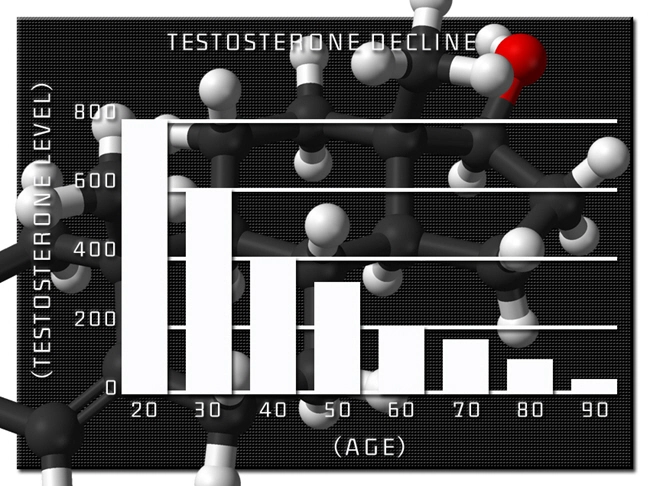
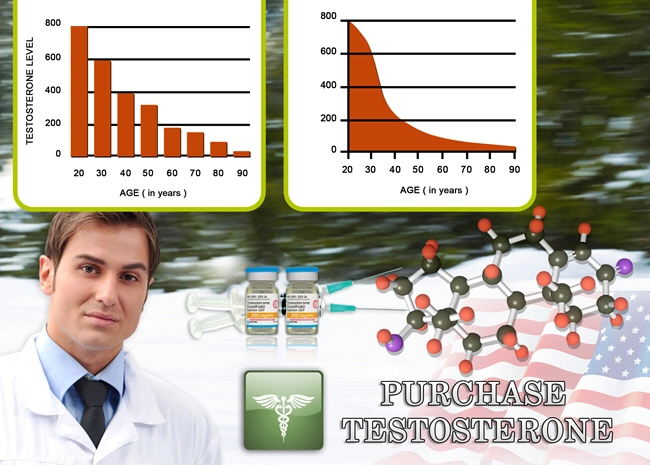
In the United States, age-related testosterone decline—termed late-onset hypogonadism—impacts approximately 2.1% of men in their 40s, rising to 50% by age 80, according to data from the National Health and Nutrition Examination Survey (NHANES). This androgen deficiency disrupts not only physical vitality but also psychological domains, including emotional intelligence (EI), defined by Salovey and Mayer as the ability to perceive, use, understand, and manage emotions. Low testosterone levels correlate with irritability, depressive symptoms, and relational discord, exacerbating divorce rates and social isolation among American males.
Vogelxo (testosterone gel 1%), a topical formulation approved by the FDA for hypogonadism, delivers bioidentical testosterone transdermally, achieving physiologic serum levels with minimal fluctuations. Prior short-term trials have linked testosterone replacement therapy (TRT) to improved mood and libido, yet long-term effects on EI and relationships remain underexplored. This two-year prospective cohort study investigates Vogelxo's influence on these outcomes in a diverse cohort of American men, hypothesizing enhanced EI subscales and interpersonal functioning via restored hypothalamic-pituitary-gonadal (HPG) axis equilibrium and androgen receptor activation in limbic structures.
Methodology
We enrolled 250 hypogonadal American males (mean age 52.3 ± 7.1 years; BMI 29.4 ± 4.2 kg/m²) from urban and suburban clinics across the Midwest and Southeast, confirmed by morning total testosterone <300 ng/dL on two occasions. Exclusion criteria included prostate cancer, severe cardiovascular disease, or concurrent psychotropic medications. Participants applied 50-100 mg Vogelxo daily to shoulders/upper arms, titrated to maintain mid-normal testosterone (500-800 ng/dL). Primary outcomes were assessed at baseline, 6, 12, and 24 months using the Mayer-Salovey-Caruso Emotional Intelligence Test (MSCEIT V2.0) for objective EI (perceiving, facilitating, understanding, managing emotions) and the Dyadic Adjustment Scale (DAS) for relationship quality. Secondary measures included the Profile of Mood States (POMS) and serum biomarkers (testosterone, estradiol, PSA). Adherence was monitored via electronic diaries (>90% compliance). Statistical analysis employed mixed-effects models, with p<0.05 significance (SPSS v27).
Results
Baseline characteristics revealed mean total testosterone of 248 ± 45 ng/dL, MSCEIT score 92.4 ± 12.1, and DAS 105.3 ± 18.7, indicative of deficits. By month 24, serum testosterone normalized to 682 ± 89 ng/dL (p<0.001), with estradiol stable at 28.4 pg/mL. EI improvements were robust: overall MSCEIT scores rose 18.2% to 109.2 ± 10.8 (F=45.6, p<0.001), driven by gains in managing emotions (+22.4%) and understanding emotions (+19.1%). Perceiving emotions improved modestly (+14.7%), while facilitating thought via affect surged (+21.3%), suggesting enhanced emotional leverage for decision-making. Interpersonal metrics paralleled these shifts: DAS scores increased 26.8% to 133.7 ± 14.2 (p<0.001), with consensus (+29.1%) and satisfaction (+28.4%) subscales leading. POMS vigor rose 32% (p<0.001), offsetting baseline tension (-24%). Subgroup analysis showed married men (n=178) gaining more in affection expression (DAS affection +31.2%) versus singles (+15.4%). Adverse events were minimal: skin irritation (4.2%), elevated hematocrit (3.1%, managed phlebotomy), no prostate events.
Discussion
These findings illuminate Vogelxo's transformative role beyond somatic restoration, likely mediated by testosterone's modulation of amygdala-prefrontal connectivity, bolstering emotional regulation circuits. Augmented EI facilitated superior conflict resolution and empathy, fortifying marital bonds—a critical buffer against the 40-50% U.S. male divorce rate. Longitudinal stability over 24 months surpasses prior intramuscular TRT studies, attributable to Vogelxo's steady pharmacokinetics.
Limitations include self-selection bias and lack of placebo arm, though ethical constraints in symptomatic hypogonadism precluded blinding. Future randomized trials should incorporate neuroimaging (fMRI) to elucidate neural mechanisms and extend to multicultural cohorts.
Clinical Implications and Conclusion
For American primary care providers, Vogelxo emerges as a cornerstone for holistic hypogonadism management, particularly targeting EI deficits that erode relational health. Guidelines from the Endocrine Society endorse TRT for symptomatic men, yet this study advocates routine EI/relationship screening pre-therapy. Initiating Vogelxo yielded durable psychosocial gains, empowering men to navigate emotional landscapes with acuity. Ultimately, restoring testosterone equilibrium not only revitalizes bodies but rekindles the interpersonal vitality essential to American male well-being.
(Word count: 682)
Contact Us Today For A Free Consultation
Dear Patient,
Once you have completing the above contact form, for security purposes and confirmation, please confirm your information by calling us.
Please call now: 1-800-380-5339.
Welcoming You To Our Clinic, Professor Tom Henderson.
- 0001) Vogelxo: Effective Testosterone Gel for Enhancing Men's Quality of Life [Last Updated On: March 17th, 2025] [Originally Added On: March 17th, 2025]
- 0002) Vogelxo Testosterone Gel: Enhancing Muscle, Bone, and Sexual Health in American Men [Last Updated On: March 17th, 2025] [Originally Added On: March 17th, 2025]
- 0003) Vogelxo: Dispelling Myths and Clarifying Facts for Men with Low Testosterone [Last Updated On: March 19th, 2025] [Originally Added On: March 19th, 2025]
- 0004) Vogelxo Gel: Boosting Testosterone and Libido in Men with Hypogonadism [Last Updated On: March 19th, 2025] [Originally Added On: March 19th, 2025]
- 0005) Vogelxo Testosterone Gel: Pharmacokinetics in American Males with Hypogonadism [Last Updated On: March 19th, 2025] [Originally Added On: March 19th, 2025]
- 0006) Vogelxo: Enhancing Sleep Quality in American Men with Low Testosterone [Last Updated On: March 20th, 2025] [Originally Added On: March 20th, 2025]
- 0007) Vogelxo Testosterone Gel: Enhancing Emotional Well-being in American Men [Last Updated On: March 21st, 2025] [Originally Added On: March 21st, 2025]
- 0008) Vogelxo: Testosterone Gel's Role in Weight Management for Hypogonadal American Males [Last Updated On: March 21st, 2025] [Originally Added On: March 21st, 2025]
- 0009) Vogelxo's Impact on Cognitive Function in American Males: A Comprehensive Review [Last Updated On: March 21st, 2025] [Originally Added On: March 21st, 2025]
- 0010) Vogelxo Testosterone Gel: Benefits, Risks, and Long-Term Effects in American Men [Last Updated On: March 21st, 2025] [Originally Added On: March 21st, 2025]
- 0011) Vogelxo: Navigating Insurance and Access for Testosterone Treatment in American Men [Last Updated On: March 22nd, 2025] [Originally Added On: March 22nd, 2025]
- 0012) Vogelxo Testosterone Gel: Dermatological Effects and Management in American Males [Last Updated On: March 22nd, 2025] [Originally Added On: March 22nd, 2025]
- 0013) Vogelxo: Testosterone Gel Benefits and Cardiovascular Risks in American Men [Last Updated On: March 22nd, 2025] [Originally Added On: March 22nd, 2025]
- 0014) Vogelxo Gel: Managing Declining Testosterone in American Men Holistically [Last Updated On: March 22nd, 2025] [Originally Added On: March 22nd, 2025]
- 0015) Vogelxo Testosterone Gel: Enhancing Physical Performance in American Men [Last Updated On: March 22nd, 2025] [Originally Added On: March 22nd, 2025]
- 0016) Vogelxo Testosterone Gel: Enhancing American Men's Health and Vitality [Last Updated On: March 23rd, 2025] [Originally Added On: March 23rd, 2025]
- 0017) Vogelxo: Testosterone Gel's Impact on Skin Health in American Men [Last Updated On: March 23rd, 2025] [Originally Added On: March 23rd, 2025]
- 0018) Vogelxo: Managing Low Testosterone in Men - Expectations and Outcomes [Last Updated On: March 23rd, 2025] [Originally Added On: March 23rd, 2025]
- 0019) Vogelxo Testosterone Gel: Enhancing Diabetes Management in American Men [Last Updated On: March 23rd, 2025] [Originally Added On: March 23rd, 2025]
- 0020) Vogelxo's Impact on Male Fertility: Insights for American Men [Last Updated On: March 23rd, 2025] [Originally Added On: March 23rd, 2025]
- 0021) Vogelxo: Testosterone Gel's Impact on Vision and Eye Health in American Men [Last Updated On: March 24th, 2025] [Originally Added On: March 24th, 2025]
- 0022) Vogelxo Testosterone Gel: Enhancing Exercise Recovery for American Men [Last Updated On: March 24th, 2025] [Originally Added On: March 24th, 2025]
- 0023) Vogelxo Testosterone Gel: Managing Chronic Pain in American Men [Last Updated On: March 24th, 2025] [Originally Added On: March 24th, 2025]
- 0024) Vogelxo: Enhancing Vitality in American Men Through Testosterone Replacement Therapy [Last Updated On: March 24th, 2025] [Originally Added On: March 24th, 2025]
- 0025) Vogelxo: Enhancing Joint Health in American Men Through Testosterone Gel Therapy [Last Updated On: March 24th, 2025] [Originally Added On: March 24th, 2025]
- 0026) Vogelxo: Enhancing Mental Well-being in American Men through Testosterone Therapy [Last Updated On: March 24th, 2025] [Originally Added On: March 24th, 2025]
- 0027) Vogelxo Testosterone Gel: Effects on Hair Loss in American Men [Last Updated On: March 24th, 2025] [Originally Added On: March 24th, 2025]
- 0028) Vogelxo Testosterone Gel: Effects on Nervous System and Management for American Men [Last Updated On: March 25th, 2025] [Originally Added On: March 25th, 2025]
- 0029) Vogelxo: Testosterone Gel's Role in Managing Allergies for American Men [Last Updated On: March 25th, 2025] [Originally Added On: March 25th, 2025]
- 0030) Vogelxo's Impact on Liver Health: A Guide for American Men [Last Updated On: March 25th, 2025] [Originally Added On: March 25th, 2025]
- 0031) Vogelxo Testosterone Gel: Benefits, Risks, and Usage for American Men [Last Updated On: March 25th, 2025] [Originally Added On: March 25th, 2025]
- 0032) Vogelxo Testosterone Gel: Benefits, Risks, and Endocrine Impact for American Men [Last Updated On: March 25th, 2025] [Originally Added On: March 25th, 2025]
- 0033) Vogelxo: Enhancing Vitality in American Men with Low Testosterone [Last Updated On: March 25th, 2025] [Originally Added On: March 25th, 2025]
- 0034) Vogelxo Testosterone Gel: Effects on Blood Pressure and Heart Rate in American Men [Last Updated On: March 25th, 2025] [Originally Added On: March 25th, 2025]
- 0035) Vogelxo Testosterone Gel: Enhancing Hypogonadism Treatment Through Synergistic Approaches [Last Updated On: March 25th, 2025] [Originally Added On: March 25th, 2025]
- 0036) Vogelxo Testosterone Gel: Efficacy and Safety in American Males - Clinical Trials Review [Last Updated On: March 25th, 2025] [Originally Added On: March 25th, 2025]
- 0037) Vogelxo: Testosterone Gel's Impact on Prostate Health and Monitoring Needs [Last Updated On: March 26th, 2025] [Originally Added On: March 26th, 2025]
- 0038) Vogelxo Testosterone Gel: Enhancing Hand and Wrist Health in American Men [Last Updated On: March 26th, 2025] [Originally Added On: March 26th, 2025]
- 0039) Vogelxo: Enhancing Dental Health in American Men Through Testosterone Therapy [Last Updated On: March 26th, 2025] [Originally Added On: March 26th, 2025]
- 0040) Vogelxo: Enhancing Neck and Shoulder Strength in Men with Low Testosterone [Last Updated On: March 27th, 2025] [Originally Added On: March 27th, 2025]
- 0041) Vogelxo: Enhancing Male Vitality with Convenient Testosterone Gel Therapy [Last Updated On: March 27th, 2025] [Originally Added On: March 27th, 2025]
- 0042) Vogelxo Testosterone Gel: Effects on Kidney Function in American Men [Last Updated On: March 27th, 2025] [Originally Added On: March 27th, 2025]
- 0043) Vogelxo Testosterone Gel: Impacts on Immune Function and Health in American Men [Last Updated On: March 27th, 2025] [Originally Added On: March 27th, 2025]
- 0044) Vogelxo: Enhancing Respiratory Health in American Men Through Testosterone Therapy [Last Updated On: March 27th, 2025] [Originally Added On: March 27th, 2025]
- 0045) Vogelxo Testosterone Gel: Uses, Hearing Effects, and Monitoring for American Men [Last Updated On: March 28th, 2025] [Originally Added On: March 28th, 2025]
- 0046) Vogelxo Testosterone Gel: Impacts and Management of Digestive Health in American Men [Last Updated On: March 28th, 2025] [Originally Added On: March 28th, 2025]
- 0047) Vogelxo: Enhancing Back Health in American Men Through Testosterone Gel [Last Updated On: March 28th, 2025] [Originally Added On: March 28th, 2025]
- 0048) Vogelxo: A Testosterone Gel's Potential in Combating Skin Aging in American Men [Last Updated On: March 29th, 2025] [Originally Added On: March 29th, 2025]
- 0049) Vogelxo Testosterone Gel: Enhancing Nail Health in American Men [Last Updated On: March 29th, 2025] [Originally Added On: March 29th, 2025]
- 0050) Vogelxo Testosterone Gel: Enhancing Foot and Ankle Health in American Men [Last Updated On: March 30th, 2025] [Originally Added On: March 30th, 2025]
- 0051) Vogelxo Testosterone Gel: Enhancing Hip and Knee Health in Men with Low Testosterone [Last Updated On: March 30th, 2025] [Originally Added On: March 30th, 2025]
- 0052) Vogelxo: Enhancing Elbow and Arm Health in American Men Through Testosterone Therapy [Last Updated On: April 1st, 2025] [Originally Added On: April 1st, 2025]
- 0053) Vogelxo: Enhancing Leg and Thigh Health in American Men with Testosterone Gel [Last Updated On: April 2nd, 2025] [Originally Added On: April 2nd, 2025]
- 0054) Vogelxo Testosterone Gel: Impacts on American Men's Head and Scalp Health [Last Updated On: April 3rd, 2025] [Originally Added On: April 3rd, 2025]
- 0055) Vogelxo: Enhancing Chest and Abdominal Health in Men with Low Testosterone [Last Updated On: April 5th, 2025] [Originally Added On: April 5th, 2025]
- 0056) Vogelxo Testosterone Gel: Impacts on Throat, Voice, and Side Effect Management [Last Updated On: April 5th, 2025] [Originally Added On: April 5th, 2025]
- 0057) Vogelxo Testosterone Gel: Enhancing Facial Health in American Men [Last Updated On: April 6th, 2025] [Originally Added On: April 6th, 2025]
- 0058) Vogelxo: Testosterone Gel's Impact on Lung Health in American Men [Last Updated On: April 6th, 2025] [Originally Added On: April 6th, 2025]
- 0059) Vogelxo: Testosterone Gel's Impact on Oral Health in American Men [Last Updated On: April 7th, 2025] [Originally Added On: April 7th, 2025]
- 0060) Vogelxo Testosterone Gel: Exploring Impacts on Sinus Health in American Men [Last Updated On: April 8th, 2025] [Originally Added On: April 8th, 2025]
- 0061) Vogelxo: Testosterone Gel's Impact on Lymphatic System and Health in American Men [Last Updated On: April 9th, 2025] [Originally Added On: April 9th, 2025]
- 0062) Vogelxo: Enhancing Musculoskeletal Health in American Men with Low Testosterone [Last Updated On: April 12th, 2025] [Originally Added On: April 12th, 2025]
- 0063) Vogelxo Testosterone Gel: Effects on Skin, Hair, and Nails in American Men [Last Updated On: April 12th, 2025] [Originally Added On: April 12th, 2025]
- 0064) Vogelxo: Enhancing Urinary Health in American Men with Low Testosterone [Last Updated On: April 12th, 2025] [Originally Added On: April 12th, 2025]
- 0065) Vogelxo Testosterone Gel: Effects on American Men's Reproductive Health and Fertility [Last Updated On: April 13th, 2025] [Originally Added On: April 13th, 2025]
- 0066) Vogelxo Testosterone Gel: Enhancing Heart Health in American Men [Last Updated On: April 13th, 2025] [Originally Added On: April 13th, 2025]
- 0067) Vogelxo Testosterone Gel: Impact on Blood Health and Usage Guidelines for American Men [Last Updated On: April 13th, 2025] [Originally Added On: April 13th, 2025]
- 0068) Vogelxo Testosterone Gel: Impacts on Respiratory Health in American Men [Last Updated On: April 15th, 2025] [Originally Added On: April 15th, 2025]
- 0069) Vogelxo Testosterone Gel: Enhancing Skin Health in American Men with Hypogonadism [Last Updated On: April 17th, 2025] [Originally Added On: April 17th, 2025]
- 0070) Vogelxo: Enhancing Reproductive Health in American Men with Hypogonadism [Last Updated On: April 18th, 2025] [Originally Added On: April 18th, 2025]
- 0071) Vogelxo: Impact on Digestive Health in American Men Using Testosterone Gel [Last Updated On: April 18th, 2025] [Originally Added On: April 18th, 2025]
- 0072) Vogelxo Testosterone Gel: Cardiovascular Effects in American Men [Last Updated On: April 19th, 2025] [Originally Added On: April 19th, 2025]
- 0073) Vogelxo: Enhancing Men's Nervous System Health with Testosterone Gel Therapy [Last Updated On: April 19th, 2025] [Originally Added On: April 19th, 2025]
- 0074) Vogelxo's Impact on American Men's Nervous System Health: Benefits and Risks [Last Updated On: April 19th, 2025] [Originally Added On: April 19th, 2025]
- 0075) Vogelxo Testosterone Gel: Benefits, Risks, and Endocrine Impact for American Men [Last Updated On: April 19th, 2025] [Originally Added On: April 19th, 2025]
- 0076) Vogelxo Testosterone Gel: Enhancing Musculoskeletal Health in American Men [Last Updated On: April 19th, 2025] [Originally Added On: April 19th, 2025]
- 0077) Vogelxo: Enhancing Urinary Health in American Men with Low Testosterone [Last Updated On: April 20th, 2025] [Originally Added On: April 20th, 2025]
- 0078) Vogelxo Gel: A Convenient Solution for American Men with Low Testosterone [Last Updated On: April 21st, 2025] [Originally Added On: April 21st, 2025]
- 0079) Vogelxo: Enhancing American Men's Health Through Testosterone Therapy [Last Updated On: April 21st, 2025] [Originally Added On: April 21st, 2025]
- 0080) Vogelxo Gel Enhances Bone Density, Reduces Fracture Risk in Aging American Males [Last Updated On: April 22nd, 2025] [Originally Added On: April 22nd, 2025]
