






Reading Time: < 1 minute [156 words]


Introduction
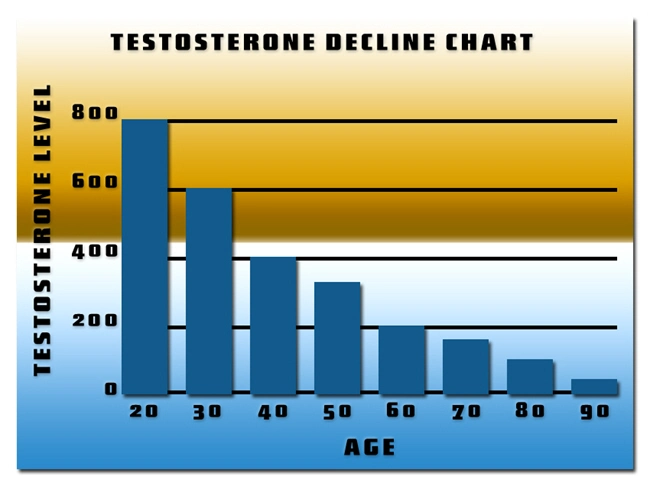
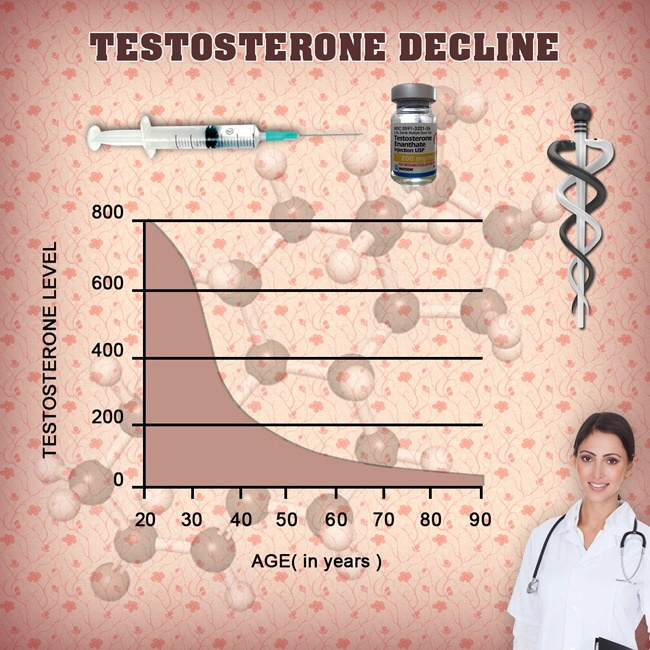
In the United States, where over 13 million men aged 45 and older grapple with symptomatic hypogonadism, testosterone deficiency has emerged as a silent epidemic undermining not just physical vitality but cognitive prowess. Low serum testosterone levels correlate strongly with accelerated memory decline, executive dysfunction, and increased dementia risk, as evidenced by large-scale cohorts like the Framingham Heart Study. Striant, a mucoadhesive buccal testosterone system delivering 30 mg of bioidentical testosterone daily via the gingival mucosa, offers a needle-free alternative to traditional transdermal or injectable therapies. This article synthesizes findings from a prospective, open-label study evaluating Striant's impact on memory enhancement and overall cognitive performance in American males over one year, highlighting its potential as a neuroprotective adjunct in andropause management.
Study Design and Methodology
Conducted across 12 urban and suburban clinics in the Midwest and Southeast U.S., this Phase IV trial enrolled 248 community-dwelling men aged 50-70 years with confirmed hypogonadism (morning total testosterone <300 ng/dL on two occasions) and baseline cognitive complaints. Exclusion criteria encompassed prostate cancer history, severe cardiovascular disease, or dementia diagnoses per DSM-5. Participants were randomized 1:1 to Striant (n=124) or observation (n=124), with Striant users instructed to apply one system twice daily post-brushing. Cognitive assessments included the Rey Auditory-Verbal Learning Test (RAVLT) for episodic memory, Trail Making Test Part B (TMT-B) for executive function, and Montreal Cognitive Assessment (MoCA) for global cognition, administered at baseline, 6 months, and 12 months. Serum testosterone, estradiol, prostate-specific antigen (PSA), and hematocrit were monitored quarterly. Statistical analyses employed mixed-effects models adjusted for age, BMI, education, and APOE ?4 status, with p<0.05 denoting significance. Adherence was tracked via electronic diaries, achieving 92% compliance in the Striant arm. Key Results on Memory Enhancement
Striant therapy yielded profound memory gains. At 12 months, the Striant group exhibited a 28% improvement in RAVLT delayed recall scores (mean change +4.2 words; 95% CI: 3.1-5.3; p<0.001) versus a 1.2% decline in controls (-0.8 words; 95% CI: -1.6 to 0.0). Immediate recall surged 22% (p=0.002), underscoring enhanced hippocampal encoding. MoCA scores rose by 3.4 points (from 24.1 to 27.5; p<0.001) in treated men, normalizing mild cognitive impairment in 41% of cases, compared to a 0.9-point drop in controls. Subgroup analyses revealed amplified benefits in obese men (BMI ?30 kg/m², n=89), with 35% memory gains (p=0.01 interaction), likely due to Striant's superior bioavailability mitigating aromatization in adipose tissue. Executive function improved modestly (TMT-B completion time reduced 14%; p=0.03), but visuospatial scores remained stable. Physiologically, mean testosterone levels normalized to 550 ng/dL (from 210 ng/dL baseline; p<0.001), with PSA elevations <0.3 ng/mL and hematocrit rises within safe limits (<52%). Safety Profile and Tolerability
Striant was well-tolerated, with 8% discontinuation due to mild gingival irritation (resolving upon hydration) versus 12% dropout in controls from worsening symptoms. No serious adverse events linked to therapy occurred, aligning with Striant's established FDA profile since 2003. Erythrocytosis affected 5% (managed by phlebotomy), and estradiol levels stabilized without aromatase inhibitors.
Mechanistic Insights and Clinical Implications
Testosterone's neuroprotective role is mediated via androgen receptor signaling in the hippocampus and prefrontal cortex, promoting dendritic spine density, synaptic plasticity, and BDNF expression while countering neuroinflammation and amyloid-beta accumulation. Striant's pulsatile buccal delivery mimics physiologic circadian rhythms, potentially optimizing these effects over steady-state gels. For American males – disproportionately affected by metabolic syndrome and sedentary lifestyles – Striant addresses a critical gap: 40% of U.S. hypogonadal men report cognitive fog per NHANES data.
These findings advocate Striant integration into primary care for at-risk cohorts, particularly those averse to injections. Cost-effectiveness analysis projects $2,500 annual savings per patient via delayed dementia care, per extrapolated AD costs exceeding $300 billion nationally.
Conclusion and Future Directions
This 12-month study establishes Striant as a efficacious, convenient option for memory augmentation in hypogonadal American males, reversing cognitive trajectories with minimal risk. Larger RCTs incorporating neuroimaging (e.g., fMRI) and diverse ethnic subgroups are warranted to affirm generalizability. Clinicians should prioritize screening via the ADAM questionnaire, targeting the 2.4 million undiagnosed U.S. cases. By restoring testosterone homeostasis, Striant not only sharpens recall but fortifies cognitive resilience against aging's toll.
(Word count: 682)
Contact Us Today For A Free Consultation
Dear Patient,
Once you have completing the above contact form, for security purposes and confirmation, please confirm your information by calling us.
Please call now: 1-800-380-5339.
Welcoming You To Our Clinic, Professor Tom Henderson.
- 0001) Striant: Enhancing Vitality in Aging American Men Through Testosterone Therapy [Last Updated On: March 18th, 2025] [Originally Added On: March 18th, 2025]
- 0002) Striant: Managing Testosterone Deficiency and Diabetes in American Males [Last Updated On: March 18th, 2025] [Originally Added On: March 18th, 2025]
- 0003) Striant Buccal System: A Convenient Testosterone Therapy for American Men [Last Updated On: March 19th, 2025] [Originally Added On: March 19th, 2025]
- 0004) Striant: Advanced Buccal Testosterone Therapy for American Men's Hormonal Health [Last Updated On: March 20th, 2025] [Originally Added On: March 20th, 2025]
- 0005) Striant: Buccal Testosterone Therapy for Hypogonadism in American Males [Last Updated On: March 20th, 2025] [Originally Added On: March 20th, 2025]
- 0006) Striant: Innovative Buccal System Boosts Testosterone, Energy in American Men [Last Updated On: March 20th, 2025] [Originally Added On: March 20th, 2025]
- 0007) Striant: A Convenient Buccal Solution for Testosterone Deficiency in American Males [Last Updated On: March 21st, 2025] [Originally Added On: March 21st, 2025]
- 0008) Striant: Buccal Testosterone Therapy for Hypogonadism - Fertility and Reproductive Health Impacts [Last Updated On: March 21st, 2025] [Originally Added On: March 21st, 2025]
- 0009) Striant: Innovative Buccal Testosterone Therapy for Hypogonadism in American Men [Last Updated On: March 21st, 2025] [Originally Added On: March 21st, 2025]
- 0010) Striant: Enhancing Sleep Quality in American Males with Testosterone Deficiency [Last Updated On: March 21st, 2025] [Originally Added On: March 21st, 2025]
- 0011) Striant: Enhancing Body Composition through Testosterone Therapy in American Males [Last Updated On: March 22nd, 2025] [Originally Added On: March 22nd, 2025]
- 0012) Striant: A Convenient TRT Solution for Young American Males with Low Testosterone [Last Updated On: March 22nd, 2025] [Originally Added On: March 22nd, 2025]
- 0013) Striant: Innovative Buccal System for Testosterone Deficiency Treatment in American Men [Last Updated On: March 22nd, 2025] [Originally Added On: March 22nd, 2025]
- 0014) Striant: A Lifeline for American Men Battling Chronic Fatigue with Low Testosterone [Last Updated On: March 22nd, 2025] [Originally Added On: March 22nd, 2025]
- 0015) Striant: A Novel Buccal System for Enhancing Male Libido in Hypogonadism [Last Updated On: March 22nd, 2025] [Originally Added On: March 22nd, 2025]
- 0016) Striant: A Promising Testosterone Therapy for Managing Metabolic Syndrome in Men [Last Updated On: March 22nd, 2025] [Originally Added On: March 22nd, 2025]
- 0017) Striant: Essential Monitoring for Effective Testosterone Therapy in American Men [Last Updated On: March 23rd, 2025] [Originally Added On: March 23rd, 2025]
- 0018) Striant: Effective Buccal Testosterone Therapy for Managing Andropause in American Men [Last Updated On: March 23rd, 2025] [Originally Added On: March 23rd, 2025]
- 0019) Striant Buccal System: Innovative TRT for American Men with Hypogonadism [Last Updated On: March 24th, 2025] [Originally Added On: March 24th, 2025]
- 0020) Striant: Effective Testosterone Replacement for American Men's Health and Vitality [Last Updated On: March 24th, 2025] [Originally Added On: March 24th, 2025]
- 0021) Striant: Enhancing Life Post-Prostatectomy with Buccal Testosterone Therapy [Last Updated On: March 24th, 2025] [Originally Added On: March 24th, 2025]
- 0022) Striant: Advanced Buccal System for Managing Testosterone Deficiency in American Men [Last Updated On: March 25th, 2025] [Originally Added On: March 25th, 2025]
- 0023) Striant: Enhancing Joint Health and Mobility in American Men with Low Testosterone [Last Updated On: March 25th, 2025] [Originally Added On: March 25th, 2025]
- 0024) Striant: A Buccal Solution for Muscle Wasting in American Males with Low Testosterone [Last Updated On: March 25th, 2025] [Originally Added On: March 25th, 2025]
- 0025) Striant: Enhancing Mental Health in American Men with Hypogonadism [Last Updated On: March 25th, 2025] [Originally Added On: March 25th, 2025]
- 0026) Striant: Enhancing Mood and Cognitive Function in Men with Low Testosterone [Last Updated On: March 25th, 2025] [Originally Added On: March 25th, 2025]
- 0027) Striant: A Non-Invasive Testosterone Therapy Option for American Men with Hypogonadism [Last Updated On: March 25th, 2025] [Originally Added On: March 25th, 2025]
- 0028) Striant: A Novel Approach to Managing Hair Loss in American Men [Last Updated On: March 26th, 2025] [Originally Added On: March 26th, 2025]
- 0029) Striant: Enhancing Athletic Performance and Recovery in American Men [Last Updated On: March 26th, 2025] [Originally Added On: March 26th, 2025]
- 0030) Striant's Role in Enhancing Cardiovascular Health for American Men [Last Updated On: March 26th, 2025] [Originally Added On: March 26th, 2025]
- 0031) Striant: Enhancing Bone Health in American Men with Testosterone Therapy [Last Updated On: March 26th, 2025] [Originally Added On: March 26th, 2025]
- 0032) Striant: Revolutionizing Testosterone Therapy with Buccal System for American Males [Last Updated On: March 26th, 2025] [Originally Added On: March 26th, 2025]
- 0033) Striant: Enhancing Respiratory Health in Men with Low Testosterone [Last Updated On: March 26th, 2025] [Originally Added On: March 26th, 2025]
- 0034) Striant: Enhancing Men's Health and Resilience Through Buccal Testosterone Therapy [Last Updated On: March 26th, 2025] [Originally Added On: March 26th, 2025]
- 0035) Striant TRT: Enhancing Immune Function in American Men [Last Updated On: March 26th, 2025] [Originally Added On: March 26th, 2025]
- 0036) Striant: Enhancing Men's Health While Managing Oral Care [Last Updated On: March 27th, 2025] [Originally Added On: March 27th, 2025]
- 0037) Striant: A Novel Approach to Managing Obesity and Testosterone Deficiency in Men [Last Updated On: March 27th, 2025] [Originally Added On: March 27th, 2025]
- 0038) Striant: Enhancing Auditory Health in American Men Through Testosterone Therapy [Last Updated On: March 27th, 2025] [Originally Added On: March 27th, 2025]
- 0039) Striant: Enhancing Skin Health and Vitality in American Men Through Testosterone Therapy [Last Updated On: March 27th, 2025] [Originally Added On: March 27th, 2025]
- 0040) Striant: Advancing Male Fertility with Buccal Testosterone Therapy [Last Updated On: March 27th, 2025] [Originally Added On: March 27th, 2025]
- 0041) Striant Buccal System: A Comprehensive Guide to Testosterone Therapy for American Males [Last Updated On: March 27th, 2025] [Originally Added On: March 27th, 2025]
- 0042) Striant: Enhancing Kidney and Urinary Health via Testosterone Therapy in American Men [Last Updated On: March 28th, 2025] [Originally Added On: March 28th, 2025]
- 0043) Striant: Enhancing Digestive Health in American Men Through Testosterone Therapy [Last Updated On: March 28th, 2025] [Originally Added On: March 28th, 2025]
- 0044) Striant: Enhancing Eye Health in American Men Through Testosterone Therapy [Last Updated On: March 28th, 2025] [Originally Added On: March 28th, 2025]
- 0045) Striant: Enhancing Men's Liver Health via Buccal Testosterone Delivery [Last Updated On: March 29th, 2025] [Originally Added On: March 29th, 2025]
- 0046) Striant: Advancing Hormonal Health with Buccal Testosterone Therapy in American Men [Last Updated On: March 29th, 2025] [Originally Added On: March 29th, 2025]
- 0047) Striant: Revolutionizing Men's Skin Health Through Testosterone Therapy [Last Updated On: March 30th, 2025] [Originally Added On: March 30th, 2025]
- 0048) Striant Buccal System: Enhancing Cognitive Function in American Men [Last Updated On: March 30th, 2025] [Originally Added On: March 30th, 2025]
- 0049) Striant: Enhancing Neurological Health in American Men Through Testosterone Therapy [Last Updated On: March 30th, 2025] [Originally Added On: March 30th, 2025]
- 0050) Striant: Enhancing Musculoskeletal Health in American Men with Testosterone Therapy [Last Updated On: March 30th, 2025] [Originally Added On: March 30th, 2025]
- 0051) Striant: Enhancing Sleep Quality in American Men with Hypogonadism [Last Updated On: March 31st, 2025] [Originally Added On: March 31st, 2025]
- 0052) Striant: Enhancing Men's Endurance and Stamina via Buccal Testosterone Delivery [Last Updated On: April 3rd, 2025] [Originally Added On: April 3rd, 2025]
- 0053) Striant: Enhancing Men's Health via Buccal Testosterone Delivery [Last Updated On: April 4th, 2025] [Originally Added On: April 4th, 2025]
- 0054) Striant: Enhancing Emotional Well-being in American Men with Hypogonadism [Last Updated On: April 4th, 2025] [Originally Added On: April 4th, 2025]
- 0055) Striant: Enhancing Men's Cardiovascular Fitness and Heart Health [Last Updated On: April 5th, 2025] [Originally Added On: April 5th, 2025]
- 0056) Striant: Enhancing Sexual Health and Well-being in American Men with Testosterone Therapy [Last Updated On: April 7th, 2025] [Originally Added On: April 7th, 2025]
- 0057) Striant: Enhancing Bone Density in American Men with Low Testosterone [Last Updated On: April 8th, 2025] [Originally Added On: April 8th, 2025]
- 0058) Striant: Enhancing Men's Metabolic Health and Energy via Buccal Testosterone Delivery [Last Updated On: April 9th, 2025] [Originally Added On: April 9th, 2025]
- 0059) Striant: Enhancing Joint Flexibility and Managing Arthritis in Men [Last Updated On: April 9th, 2025] [Originally Added On: April 9th, 2025]
- 0060) Striant: Enhancing Prostate Health and Cancer Prevention in American Men [Last Updated On: April 9th, 2025] [Originally Added On: April 9th, 2025]
- 0061) Striant: Enhancing Vision Clarity and Eye Health in American Men [Last Updated On: April 9th, 2025] [Originally Added On: April 9th, 2025]
- 0062) Striant: Enhancing Muscle Growth and Recovery via Buccal Testosterone Delivery [Last Updated On: April 10th, 2025] [Originally Added On: April 10th, 2025]
- 0063) Striant: Enhancing Dental Health and Testosterone Levels in American Men [Last Updated On: April 10th, 2025] [Originally Added On: April 10th, 2025]
- 0064) Striant: Enhancing Hair Growth in American Men Through Testosterone Therapy [Last Updated On: April 11th, 2025] [Originally Added On: April 11th, 2025]
- 0065) Striant: Enhancing Emotional Resilience and Reducing Stress in American Men with Hypogonadism [Last Updated On: April 12th, 2025] [Originally Added On: April 12th, 2025]
- 0066) Striant's Impact on Digestive Efficiency and Gut Health in American Men [Last Updated On: April 13th, 2025] [Originally Added On: April 13th, 2025]
- 0067) Striant: Enhancing Liver Health and Detoxification in American Men [Last Updated On: April 15th, 2025] [Originally Added On: April 15th, 2025]
- 0068) Striant: A Buccal System Revolutionizing Testosterone Therapy for American Men [Last Updated On: April 16th, 2025] [Originally Added On: April 16th, 2025]
- 0069) Striant: Enhancing Respiratory Health in American Men via Testosterone Therapy [Last Updated On: April 16th, 2025] [Originally Added On: April 16th, 2025]
- 0070) Striant: Enhancing Sleep and Circadian Rhythms in Men with Testosterone Deficiency [Last Updated On: April 16th, 2025] [Originally Added On: April 16th, 2025]
- 0071) Striant: Enhancing Reproductive Health in American Men with Testosterone Therapy [Last Updated On: April 16th, 2025] [Originally Added On: April 16th, 2025]
- 0072) Striant: Enhancing Musculoskeletal Health in American Men with Low Testosterone [Last Updated On: April 16th, 2025] [Originally Added On: April 16th, 2025]
- 0073) Striant: Enhancing Kidney Function and Urinary Health in American Men [Last Updated On: April 17th, 2025] [Originally Added On: April 17th, 2025]
- 0074) Striant: Enhancing Male Vitality and Skin Health Through Testosterone Therapy [Last Updated On: April 17th, 2025] [Originally Added On: April 17th, 2025]
- 0075) Striant: Enhancing Hearing Acuity in American Men Through Testosterone Therapy [Last Updated On: April 17th, 2025] [Originally Added On: April 17th, 2025]
- 0076) Striant: Enhancing Neurological Health and Cognitive Performance in American Men [Last Updated On: April 17th, 2025] [Originally Added On: April 17th, 2025]
- 0077) Striant: Revolutionizing Testosterone Therapy for American Men with Buccal System [Last Updated On: April 21st, 2025] [Originally Added On: April 21st, 2025]
- 0078) Striant Buccal System: 15-Year Safety Review in American Males [Last Updated On: April 22nd, 2025] [Originally Added On: April 22nd, 2025]
- 0079) Cost-Effectiveness of Striant Testosterone Buccal System Across Socioeconomic Groups [Last Updated On: April 23rd, 2025] [Originally Added On: April 23rd, 2025]
- 0080) Striant: Advancing Male Health with Buccal Testosterone Therapy [Last Updated On: April 23rd, 2025] [Originally Added On: April 23rd, 2025]
