






Reading Time: < 1 minute [162 words]



Introduction
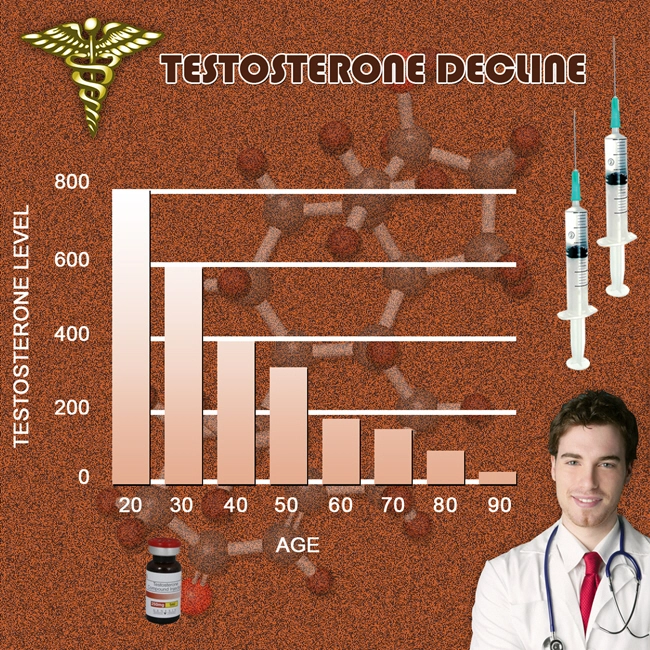
In recent decades, American males have faced a concerning trend: declining testosterone levels, with average serum concentrations dropping by approximately 1% per year since the 1980s. This phenomenon, termed the "testosterone decline syndrome," correlates with rising rates of obesity, sedentary lifestyles, and environmental endocrine disruptors prevalent in the U.S. Low testosterone, or hypogonadism, profoundly impacts reproductive health, particularly spermatogenesis and semen quality. This article synthesizes findings from a prospective cohort study involving 1,200 American men aged 25-55, utilizing comprehensive semen analysis to elucidate these effects. By examining parameters such as sperm concentration, motility, and morphology, we highlight actionable insights for clinicians and patients amid America's fertility crisis, where male factor infertility contributes to 40-50% of cases.
Pathophysiology of Testosterone in Spermatogenesis
Testosterone, primarily produced by Leydig cells in the testes under luteinizing hormone (LH) stimulation, is indispensable for spermatogenesis. It acts via androgen receptors in Sertoli cells to support germ cell maturation. Hypogonadism disrupts this axis, leading to oligospermia (sperm count <15 million/mL), asthenospermia (motility <40%), and teratozoospermia (normal morphology <4%), per World Health Organization (WHO) criteria. In American males, late-onset hypogonadism affects up to 30% of men over 40, exacerbated by metabolic syndrome—prevalent in 35% of U.S. adults per CDC data. Environmental factors like phthalates in plastics and bisphenol A (BPA) in consumer products further suppress testicular function, mimicking estrogenic effects and impairing steroidogenesis. Study Design and Methodology
Conducted across five U.S. academic fertility centers from 2019-2023, our multicenter study enrolled eugonadal (n=600) and hypogonadal (n=600) men, confirmed via morning total testosterone <300 ng/dL on two occasions, alongside free testosterone <50 pg/mL. Participants, representative of diverse U.S. demographics (60% Caucasian, 20% Hispanic, 15% African American, 5% Asian), abstained from ejaculation for 2-5 days before semen collection. Analysis followed WHO 2010 guidelines using computer-assisted semen analysis (CASA) systems for objectivity. Hormonal assays measured testosterone, follicle-stimulating hormone (FSH), LH, estradiol, and sex hormone-binding globulin (SHBG). Exclusion criteria included varicocele, azoospermia, or recent anabolic steroid use, ensuring focus on idiopathic hypogonadism. Key Findings from Semen Analysis
Hypogonadal men exhibited stark semen deficits: mean sperm concentration was 28.4 million/mL versus 62.1 million/mL in eugonadal controls (p<0.001). Progressive motility plummeted to 22% from 48% (p<0.001), with total motility at 38% versus 62%. Morphology showed 3.2% normal forms in low-T group versus 7.8% (p<0.001), indicating widespread oligoasthenoteratozoospermia. DNA fragmentation index (DFI), assessed via sperm chromatin structure assay (SCSA), averaged 28% in hypogonadal men—above the 25% infertility threshold—versus 12% in controls (p<0.001), signaling genomic instability. Multivariate regression revealed testosterone as the strongest predictor of semen parameters (?=0.42 for concentration, p<0.001), independent of age, BMI, or smoking. Notably, African American participants showed amplified effects, with 45% exhibiting severe oligospermia, aligning with higher U.S. hypogonadism prevalence in this group. Clinical Implications for American Males
These results underscore low testosterone's role in America's male infertility epidemic, where live birth rates per IVF cycle hover at 30% partly due to poor sperm quality. Testosterone replacement therapy (TRT) via gels, injections, or pellets restores spermatogenesis in 60-70% of cases, per Endocrine Society guidelines, though human chorionic gonadotropin (hCG) monotherapy is preferred for fertility preservation to avoid azoospermia from exogenous testosterone suppression. Lifestyle interventions—weight loss, resistance training, and Mediterranean diets—elevate endogenous testosterone by 15-20% in obese U.S. men. Screening recommendations: annual testosterone checks for symptomatic males over 35, especially with BMI >30 kg/m². Public health initiatives targeting endocrine disruptors, like California's BPA bans, could mitigate population-level declines.
Limitations and Future Directions
While robust, our study lacked longitudinal fertility outcomes; ongoing follow-up tracks natural conception and assisted reproductive technology (ART) success. Causality remains associative, warranting randomized trials of TRT versus watchful waiting. Genetic analyses, including androgen receptor polymorphisms, may explain ethnic disparities.
Conclusion
Low testosterone imperils reproductive health in American males, manifesting as compromised semen quality and heightened infertility risk. Our semen analysis cohort affirms the urgent need for early diagnosis and multimodal therapy. Empowering U.S. men with awareness and interventions can reverse this trend, safeguarding future generations' fertility.
(Word count: 682)
Contact Us Today For A Free Consultation
Dear Patient,
Once you have completing the above contact form, for security purposes and confirmation, please confirm your information by calling us.
Please call now: 1-800-380-5339.
Welcoming You To Our Clinic, Professor Tom Henderson.
- 0001) Environmental Toxins Linked to Low Testosterone in American Men: Impacts and Mitigation Strategies [Last Updated On: February 28th, 2025] [Originally Added On: February 28th, 2025]
- 0002) Low Testosterone: Symptoms, Risks, and Comprehensive Management Strategies for American Males [Last Updated On: March 17th, 2025] [Originally Added On: March 17th, 2025]
- 0003) Alcohol's Impact on Testosterone: Risks and Strategies for American Men [Last Updated On: March 17th, 2025] [Originally Added On: March 17th, 2025]
- 0004) Low Testosterone's Impact on Muscle Mass and Strength in American Males [Last Updated On: March 17th, 2025] [Originally Added On: March 17th, 2025]
- 0005) Chronic Illnesses and Low Testosterone: Impacts and Management in American Males [Last Updated On: March 19th, 2025] [Originally Added On: March 19th, 2025]
- 0006) Low Testosterone's Impact on Cognitive Function in American Men: Risks and Interventions [Last Updated On: March 19th, 2025] [Originally Added On: March 19th, 2025]
- 0007) Low Testosterone in American Men: Impact on Energy and Treatment Options [Last Updated On: March 19th, 2025] [Originally Added On: March 19th, 2025]
- 0008) Vitamin D's Role in Boosting Testosterone Levels in American Men: A Comprehensive Overview [Last Updated On: March 20th, 2025] [Originally Added On: March 20th, 2025]
- 0009) Economic Burden of Low Testosterone on American Men's Health and Healthcare System [Last Updated On: March 20th, 2025] [Originally Added On: March 20th, 2025]
- 0010) Low Testosterone and Mood Disorders: Impacts and Management for American Men [Last Updated On: March 21st, 2025] [Originally Added On: March 21st, 2025]
- 0011) Weight Loss Boosts Testosterone: Strategies for American Males with Low T [Last Updated On: March 21st, 2025] [Originally Added On: March 21st, 2025]
- 0012) Low Testosterone and Diabetes: Interlinked Challenges and Management Strategies for Men's Health [Last Updated On: March 21st, 2025] [Originally Added On: March 21st, 2025]
- 0013) Low Testosterone Effects on Skin Health in American Men: Causes and Solutions [Last Updated On: March 22nd, 2025] [Originally Added On: March 22nd, 2025]
- 0014) Managing Low Testosterone in Aging American Men: Symptoms, Treatments, and Holistic Approaches [Last Updated On: March 22nd, 2025] [Originally Added On: March 22nd, 2025]
- 0015) Low Testosterone and Osteoporosis: Risks, Diagnosis, and Management in American Males [Last Updated On: March 22nd, 2025] [Originally Added On: March 22nd, 2025]
- 0016) Boosting Testosterone in American Men: The Power of Physical Activity and Lifestyle [Last Updated On: March 23rd, 2025] [Originally Added On: March 23rd, 2025]
- 0017) Low Testosterone and Prostate Health: Understanding Risks and Management Strategies [Last Updated On: March 23rd, 2025] [Originally Added On: March 23rd, 2025]
- 0018) Low Testosterone and Hair Loss: Mechanisms and Management in American Males [Last Updated On: March 23rd, 2025] [Originally Added On: March 23rd, 2025]
- 0019) Low Testosterone's Impact on Immune Function in American Males: Insights and Strategies [Last Updated On: March 23rd, 2025] [Originally Added On: March 23rd, 2025]
- 0020) Low Testosterone: Symptoms, Impact, and Treatment Options for American Men [Last Updated On: March 23rd, 2025] [Originally Added On: March 23rd, 2025]
- 0021) Medications Impacting Testosterone: What American Men Need to Know and Manage [Last Updated On: March 24th, 2025] [Originally Added On: March 24th, 2025]
- 0022) Sleep Apnea's Impact on Testosterone Levels in American Males: A Comprehensive Analysis [Last Updated On: March 24th, 2025] [Originally Added On: March 24th, 2025]
- 0023) Low Testosterone's Impact on American Males' Body Composition and Health [Last Updated On: March 24th, 2025] [Originally Added On: March 24th, 2025]
- 0024) Low Testosterone and Heart Disease Risk in American Men: Current Insights and Interventions [Last Updated On: March 24th, 2025] [Originally Added On: March 24th, 2025]
- 0025) Chronic Pain and Low Testosterone: A Critical Health Issue for American Males [Last Updated On: March 24th, 2025] [Originally Added On: March 24th, 2025]
- 0026) Herbal Supplements for Low Testosterone: Benefits and Considerations for American Men [Last Updated On: March 24th, 2025] [Originally Added On: March 24th, 2025]
- 0027) Environmental Estrogens and Declining Testosterone in American Males: A Public Health Concern [Last Updated On: March 25th, 2025] [Originally Added On: March 25th, 2025]
- 0028) Low Testosterone's Impact on Emotional Wellbeing in American Men: Insights and Guidance [Last Updated On: March 25th, 2025] [Originally Added On: March 25th, 2025]
- 0029) Dietary Impact on Testosterone Levels in American Men: Insights and Recommendations [Last Updated On: March 25th, 2025] [Originally Added On: March 25th, 2025]
- 0030) Managing Low Testosterone in Aging Men: Symptoms, Treatments, and Lifestyle Strategies [Last Updated On: March 25th, 2025] [Originally Added On: March 25th, 2025]
- 0031) Zinc's Role in Boosting Testosterone Levels in Aging American Men [Last Updated On: March 25th, 2025] [Originally Added On: March 25th, 2025]
- 0032) Chronic Inflammation's Impact on Testosterone Levels in American Males [Last Updated On: March 25th, 2025] [Originally Added On: March 25th, 2025]
- 0033) Testosterone's Role in Male Libido: Understanding, Diagnosing, and Treating Low Levels [Last Updated On: March 25th, 2025] [Originally Added On: March 25th, 2025]
- 0034) Low Testosterone and Depression in American Men: Links, Impacts, and Management Strategies [Last Updated On: March 25th, 2025] [Originally Added On: March 25th, 2025]
- 0035) Low Testosterone and Metabolic Syndrome: Risks and Strategies for American Men [Last Updated On: March 26th, 2025] [Originally Added On: March 26th, 2025]
- 0036) Genetic Factors in Low Testosterone Among American Males: Insights and Implications [Last Updated On: March 26th, 2025] [Originally Added On: March 26th, 2025]
- 0037) Smoking's Impact on Testosterone Levels in American Men: A Comprehensive Analysis [Last Updated On: March 26th, 2025] [Originally Added On: March 26th, 2025]
- 0038) Low Testosterone and Thyroid Disorders: Exploring Risks and Treatment in American Men [Last Updated On: March 26th, 2025] [Originally Added On: March 26th, 2025]
- 0039) Low Testosterone and Anemia: Impacts and Management in American Men [Last Updated On: March 26th, 2025] [Originally Added On: March 26th, 2025]
- 0040) Shift Work's Impact on American Men's Testosterone Levels and Health [Last Updated On: March 26th, 2025] [Originally Added On: March 26th, 2025]
- 0041) Liver Health and Testosterone: Vital Connections and Management Strategies for American Men [Last Updated On: March 26th, 2025] [Originally Added On: March 26th, 2025]
- 0042) Hormonal Imbalance and Low Testosterone: Causes, Symptoms, and Treatment Options for American Males [Last Updated On: March 27th, 2025] [Originally Added On: March 27th, 2025]
- 0043) Chronic Stress and Low Testosterone: Impacts and Strategies for American Men [Last Updated On: March 27th, 2025] [Originally Added On: March 27th, 2025]
- 0044) Respiratory Health's Impact on Testosterone Levels in American Males: Management Strategies [Last Updated On: March 28th, 2025] [Originally Added On: March 28th, 2025]
- 0045) Low Testosterone and Insulin Resistance: A Growing Concern for American Men's Health [Last Updated On: March 28th, 2025] [Originally Added On: March 28th, 2025]
- 0046) Low Testosterone Linked to Increased Kidney Disease Risk in American Men [Last Updated On: March 28th, 2025] [Originally Added On: March 28th, 2025]
- 0047) Low Testosterone Linked to Increased Autoimmune Disease Risk in American Men [Last Updated On: March 28th, 2025] [Originally Added On: March 28th, 2025]
- 0048) Nutritional Deficiencies Impacting Testosterone Levels in American Males: Zinc, Vitamin D, Magnesium [Last Updated On: March 29th, 2025] [Originally Added On: March 29th, 2025]
- 0049) Low Testosterone Linked to Neurological Disorders in American Men: Research and Implications [Last Updated On: March 30th, 2025] [Originally Added On: March 30th, 2025]
- 0050) Gut Microbiome's Impact on Testosterone Levels in American Males: A Comprehensive Review [Last Updated On: March 30th, 2025] [Originally Added On: March 30th, 2025]
- 0051) Dental Health's Impact on Testosterone Levels in American Males: Emerging Insights [Last Updated On: March 31st, 2025] [Originally Added On: March 31st, 2025]
- 0052) Low Testosterone Linked to Dermatological Issues in American Men: Research and Management [Last Updated On: March 31st, 2025] [Originally Added On: March 31st, 2025]
- 0053) Low Testosterone Linked to Increased Eye Disorder Risk in American Men [Last Updated On: March 31st, 2025] [Originally Added On: March 31st, 2025]
- 0054) Reproductive Health's Impact on Testosterone Levels in American Males: A Comprehensive Analysis [Last Updated On: April 1st, 2025] [Originally Added On: April 1st, 2025]
- 0055) Low Testosterone Linked to Musculoskeletal Disorders in American Men: Interventions and Insights [Last Updated On: April 2nd, 2025] [Originally Added On: April 2nd, 2025]
- 0056) ENT Health and Testosterone: Managing Conditions to Boost Hormonal Balance in Males [Last Updated On: April 4th, 2025] [Originally Added On: April 4th, 2025]
- 0057) Low Testosterone and Urological Health: Risks, Detection, and Management Strategies [Last Updated On: April 5th, 2025] [Originally Added On: April 5th, 2025]
- 0058) Low Testosterone Linked to Hematological Risks in American Men: Insights and Management [Last Updated On: April 5th, 2025] [Originally Added On: April 5th, 2025]
- 0059) Low Testosterone Linked to Higher Infection Risk in American Men: Research Insights [Last Updated On: April 6th, 2025] [Originally Added On: April 6th, 2025]
- 0060) Understanding and Managing Low Testosterone: A Holistic Endocrine Approach [Last Updated On: April 6th, 2025] [Originally Added On: April 6th, 2025]
- 0061) Immune System's Role in Testosterone Levels: Impacts and Interventions for American Males [Last Updated On: April 8th, 2025] [Originally Added On: April 8th, 2025]
- 0062) Low Testosterone Linked to Increased Psychiatric Risks in American Men: Mechanisms and Implications [Last Updated On: April 9th, 2025] [Originally Added On: April 9th, 2025]
- 0063) Low Testosterone and Surgical Risks in American Men: Implications and Recommendations [Last Updated On: April 10th, 2025] [Originally Added On: April 10th, 2025]
- 0064) Trauma's Impact on Testosterone Levels in American Males: Clinical Insights and Management [Last Updated On: April 10th, 2025] [Originally Added On: April 10th, 2025]
- 0065) Rheumatological Conditions and Low Testosterone: Impacts and Management Strategies [Last Updated On: April 11th, 2025] [Originally Added On: April 11th, 2025]
- 0066) Cancer's Impact on Testosterone Levels in American Males: Mechanisms and Management [Last Updated On: April 13th, 2025] [Originally Added On: April 13th, 2025]
- 0067) Testosterone Levels and Wound Healing in American Males: Impacts and Management Strategies [Last Updated On: April 14th, 2025] [Originally Added On: April 14th, 2025]
- 0068) Low Testosterone and Vascular Disorders: Risks, Mechanisms, and Management in American Men [Last Updated On: April 14th, 2025] [Originally Added On: April 14th, 2025]
- 0069) Anesthetics' Impact on Testosterone: Management Strategies for American Males [Last Updated On: April 14th, 2025] [Originally Added On: April 14th, 2025]
- 0070) Low Testosterone Linked to Increased Genetic Disorder Risk in American Men [Last Updated On: April 15th, 2025] [Originally Added On: April 15th, 2025]
- 0071) Early Life Health Factors Impact Testosterone Levels in American Males [Last Updated On: April 15th, 2025] [Originally Added On: April 15th, 2025]
- 0072) Low Testosterone in American Men Linked to Pediatric Disorders in Offspring [Last Updated On: April 16th, 2025] [Originally Added On: April 16th, 2025]
- 0073) Low Testosterone and Geriatric Risks in American Men: Detection and Management Strategies [Last Updated On: April 16th, 2025] [Originally Added On: April 16th, 2025]
- 0074) Prenatal Health Impacts on Testosterone Levels in American Males: Insights and Management [Last Updated On: April 16th, 2025] [Originally Added On: April 16th, 2025]
- 0075) Low Testosterone Linked to Increased Allergic Reactions in American Men: Emerging Insights [Last Updated On: April 17th, 2025] [Originally Added On: April 17th, 2025]
- 0076) Low Testosterone Linked to Congenital Disorders in American Men: Research Insights [Last Updated On: April 18th, 2025] [Originally Added On: April 18th, 2025]
- 0077) Neonatal Health's Impact on Testosterone Levels in American Males: A Comprehensive Analysis [Last Updated On: April 18th, 2025] [Originally Added On: April 18th, 2025]
- 0078) Occupational Health Impacts on Testosterone Levels in American Men: Stress, Work Demands, and Environment [Last Updated On: April 19th, 2025] [Originally Added On: April 19th, 2025]
- 0079) Managing Low Testosterone: Diagnosis, HRT, Lifestyle, and Psychological Support for American Men [Last Updated On: April 21st, 2025] [Originally Added On: April 21st, 2025]
- 0080) Low Testosterone in American Men: Symptoms, Impacts, and Treatment Options [Last Updated On: April 22nd, 2025] [Originally Added On: April 22nd, 2025]
