





Growth Hormone and Fitness
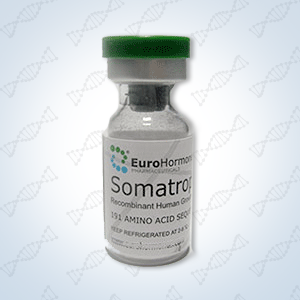
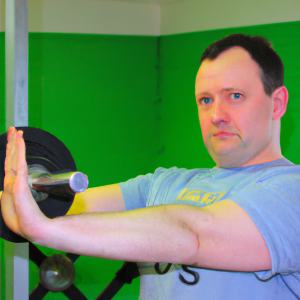
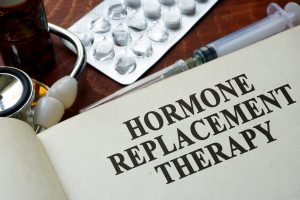
 Reading Time: 5 minutes Congratulations! You've finally decided to step up and buy Human Growth Hormone (HGH) through the legal process of seeing a doctor, getting blood work and physical exam, get evaluated, and undergo hormone replacement therapy at our clinic. And to get the most benefit from your treatment, you have committed to get in the gym and add some serious strength and muscle mass...great! Now, it's a matter of meeting your goals safely and efficiently. We don't prescribe HGH for bodybuilders, but our patients who go on HGH and change their lifestyle by working out and eating right will notice significant improvements...